ERGANZ CEO Bridget Abernethy believes New Zealand’s biggest energy opportunity is no longer generating renewable electricity, but using it more widely across the economy.
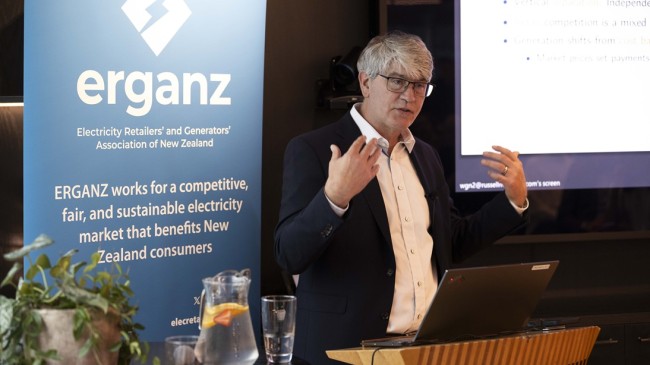
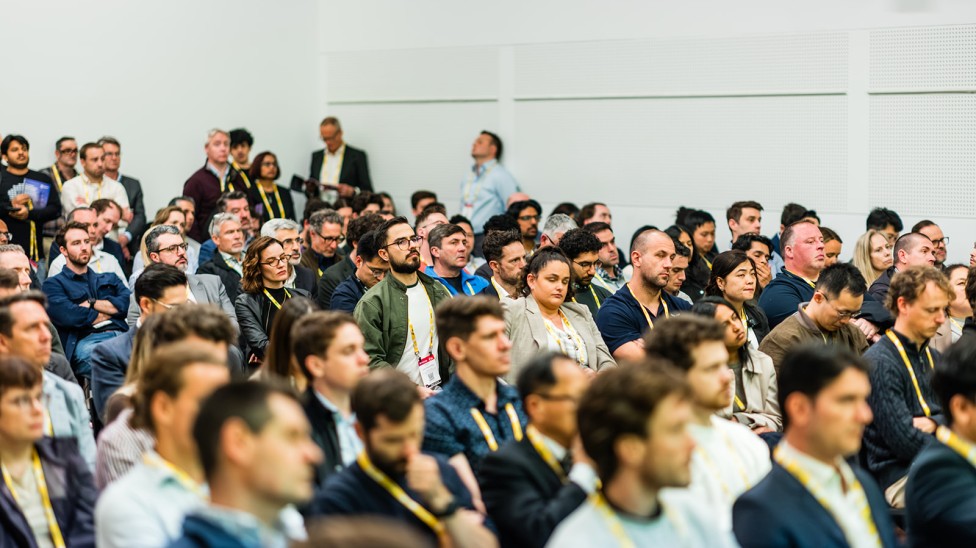
Speaking on a panel examining the future of electrification at the recent All Energy Australia Conference in Melbourne, Abernethy suggested that New Zealand's energy future will be defined by its ability to replace fossil fuels across transport, industry and homes with renewable electricity.
Her presentation focussed on what electrification will mean for New Zealand’s and Australia’s power systems, and the shared lessons New Zealand and Australia can take from each other.
While many countries are focused on cleaning up electricity generation, around 90% of New Zealand electricity already comes from renewable sources, meaning the bigger opportunity now is to use that renewable advantage to decarbonise the wider economy.
Abernethy talked about the scale of the opportunity at hand, saying that electricity demand could increase sharply over coming decades after more than a decade of relatively flat demand. Planning scenarios indicate the country's electricity system may need to be 70-80% larger by 2050 to support a fully electrified economy, as electric vehicles, industrial process heat, data centres and electric technologies become more widespread.
Achieving that growth will require substantial investment in new generation, transmission infrastructure, energy storage and demand flexibility. New Zealand's future generation mix is expected to be increasingly supported by wind, solar and batteries, complementing the country's established hydro and geothermal resources. At the same time, investment settings will be critical. Abernethy noted that electrification is as much a finance challenge as a technology challenge, with investors seeking long-term confidence and stable market conditions before committing capital.
Policy certainty will also play a decisive role. Energy infrastructure is built over decades, not election cycles, and durable, bipartisan approaches to energy policy can help reduce investment risk and accelerate development.
Abernethy also talked about the importance of public participation. From switching to electric vehicles and heat pumps to adopting smart tariffs, rooftop solar and batteries, consumers are becoming active participants in the energy system rather than passive users of electricity.
Abernethy also drew on how New Zealand's electrification compares with that of Australia's, noting that while the two countries share similar ambitions, they are starting from very different positions. Australia is undertaking the enormous task of decarbonising an electricity system still heavily reliant on fossil fuels, while New Zealand New Zealand's challenge more about accelerating the uptake of electric technologies on the demand side.
Done well, electrification can strengthen both New Zealand and Australia's energy security, improve productivity, attract investment and support long-term economic growth.