A growing list of New Zealand businesses – big and small – are electrifying, but there’s been a noticeable step change in the motivation for businesses to choose to invest in electric equipment and technology.
Fonterra is an example of electrification done well and a good case study of how the drivers for going electric have changed. When the cooperative announced $150 million of investment into electric boilers last year, the move was heralded as a strategic decision to future-proof operations.
Its COO Anna Palairet said choosing the right energy solution was about striking a balance between affordability, security of energy supply, and reducing their environmental footprint. She went on to say that electrification projects were at the heart of ensuring efficient operations with a reliable energy supply.
If we cast our minds back even further, Fonterra’s announcement from 2018 about the electrification of its Stirling site in Otago had a distinctly different focus. The cooperative said the decision to transition from coal to renewable energy showed Fonterra’s commitment to net-zero emissions and underlined the Co-operative’s role in New Zealand’s obligations under the Paris Agreement.
The 2018 release was framed much more around emissions reduction than affordability, reliability, or efficiency. In fact, then-COO Robert Spurway suggested the decision to go electric was far from straight-forward: “getting the right information and finding the best technology to make these changes at sites is a logistical tightrope.”
Of course, these announcements only provide a snapshot of two initiatives within Fonterra’s wider electrification strategy, but they still illustrate how the electrification business case has changed in recent years. More emphasis is being put on the efficiency and financial gains rather than the environmental benefits, which goes a long way to explaining why more New Zealand businesses are electrifying.
No-one-size-fits-all
It’s easy to over-simplify what electrification means for businesses. Most people think it means shifting to electric boilers or electrifying a vehicle fleet. And it often does.
But electrification is nuanced and can take many different shapes and forms. A cold storage operator installing smart controls to reduce load during peak pricing is a good example of energy management and demand flexibility — and part of a broader electrification strategy because it enables more cost-effective use of power.
A farm that installs solar and sells energy back to the grid may not be replacing old equipment or increasing its electricity use, but it’s still investing in electricity infrastructure and strengthening the wider system.
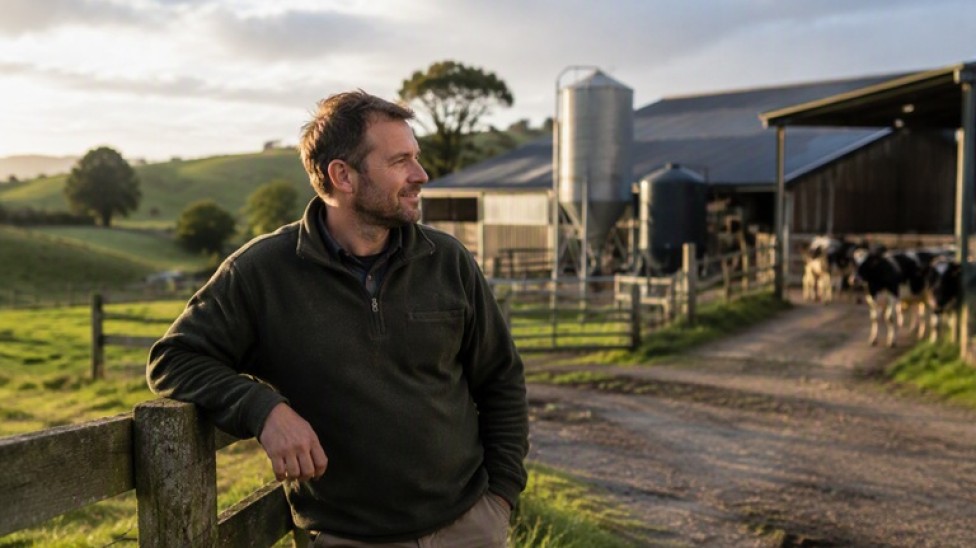
There are countless different examples of what electrification looks like on EECA’s list of case studies. One of my favorites is a story about two Southland dairy farmers who’s solar and battery system saves them $24,000 a year and keeps them at full capacity during a power outage.
Each business is unique with their own challenges and different motivations for electrifying. It could be reducing fuel costs, improving efficiency, building resilience, or even adding an extra revenue stream.
Electrification is no longer about simply transitioning from fossil fuels to electricity – it’s about finding better, cheaper, and smarter ways of doing things.
Navigating an uncertain future
If Fonterra’s electrification efforts in 2018 were a ‘logistical tightrope’, what does the decision-making process look like for businesses today?
Any business owner will tell you that navigating uncertainties is one of the toughest parts of running a business, and there are still unanswered questions about New Zealand’s energy future.
Last month, BusinessNZ’s Energy Council and EECA recently released its Times-NZ 3.0 report, which provides different scenarios of how New Zealand’s energy future could unfold. The underlying premise of the report is that changes in technology, policy, and economic trends will shape New Zealand’s fuel supply, electricity generation, and energy use in different ways.
Regardless of what scenario unfolds over the next 25 years, the report’s modelling suggests that renewable generation will continue to expand; electricity demand will continue to increase; the costs of clean energy technologies will fall; and emissions will go down.
The report also stressed the importance of electricity demand flexibility to the system and estimates that batteries and demand flexibility will create between $5.4 billion and $20.8 billion in system-wide value.
All these trends paint a compelling picture for businesses. Despite the uncertainties, the evidence suggests we are approaching a point where the economic, operational, and environmental benefits of electrification increasingly reinforce each other.
Timing is everything
Common logic suggests that businesses who invest in electrification early will benefit the most as they’ll make the most in fuel savings and efficiency gains. There’s also a school of thought that says waiting for cheaper and more capable technology is the optimal long-term strategy.
Of course, each business needs to consider whether going electric makes commercial sense for them. These are big decisions that often come with substantial up-front costs and trade-offs.
Whenever they choose to invest, businesses can take comfort in the fact that the economics of electrification are increasingly stacking up. For many businesses, electrification is no longer just a sustainability initiative – it is increasingly a commercial and operational decision, with emissions reduction an additional benefit.